
Introduction
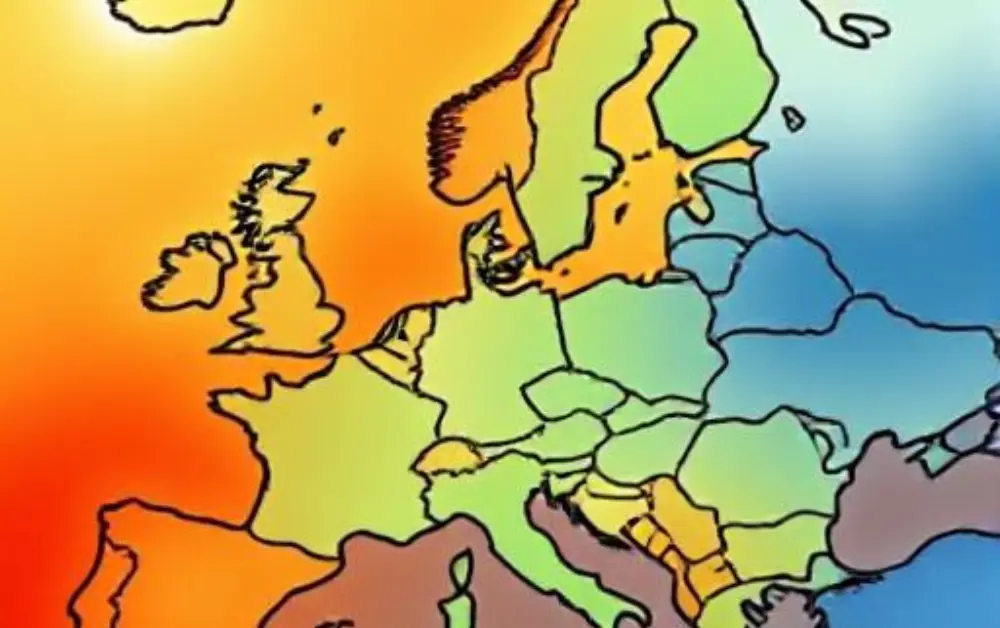
Across the globe, extreme heat is becoming more frequent and intense. Europe—known for its relatively mild climate—is now facing dangerous heatwaves. From France to Germany, record-breaking temperatures are making headlines. The global warming effects in Europe are undeniable and increasingly alarming.
But what’s driving these rising temperatures? And what can we do to stop it?
🌡️ Causes of Global Temperature Rise
The Earth’s temperature is increasing because of human activities that release greenhouse gases like carbon dioxide (CO₂) and methane. These gases trap heat in the atmosphere, leading to a warming effect.
The global warming effects in Europe are strongly linked to pollution from vehicles, factories, deforestation, and the burning of fossil fuels. These actions increase the heat-retaining gases in the air and upset Earth’s natural climate balance.
🌍 Why Europe Is Warming Faster Than Other Regions
Europe is heating up nearly twice as fast as the global average. This makes the global warming effects in Europe particularly intense.
Here’s why:
- Older buildings in Europe are not designed to handle extreme heat.
- Air conditioning is less common than in hotter regions.
- Urban areas trap heat due to concrete and lack of green space.
- Climate patterns in Europe are changing more rapidly due to Arctic warming and shifting ocean currents.
These factors combine to make Europe more vulnerable to climate extremes.

🌎 The Role of Climate Change
Climate change refers to long-term shifts in weather patterns, largely driven by human activities. When fossil fuels are burned, they release gases that warm the planet. This warming causes ice to melt, sea levels to rise, and weather to become more unpredictable.
The global warming effects in Europe include more frequent heatwaves, droughts, and severe weather. Climate change is no longer a distant threat—it’s happening now, and it’s reshaping life across the continent.
🔥 Impacts of Extreme Heatwaves
The global warming effects in Europe are already having serious consequences:
- Health: High temperatures lead to heatstroke, dehydration, and even death, especially among the elderly.
- Wildfires: Countries like Greece, Portugal, and Spain are experiencing more frequent and intense wildfires.
- Agriculture: Crops fail in extreme heat, causing food shortages and rising prices.
- Water Scarcity: Major rivers like the Rhine and Po are drying up, affecting drinking water and transportation.
These effects are not just environmental—they impact public health, the economy, and everyday life.
✅ Solutions: What Can Be Done?
Although the situation is serious, solutions are available. Reducing the global warming effects in Europe requires action from governments, businesses, and individuals.
Key solutions include:
- Switching to clean energy sources like solar and wind.
- Protecting and restoring forests that absorb CO₂.
- Designing cities with more trees and green spaces.
- Promoting public transport and electric vehicles.
- Enforcing climate policies like the Paris Agreement.
Education and awareness are also essential—especially among young people.
🙋 What You Can Do
You don’t have to be a scientist or politician to make a difference. Every person can help reduce the global warming effects in Europe with simple lifestyle choices:
- Turn off lights and electronics when not in use.
- Walk, bike, or use public transportation.
- Avoid plastic and recycle whenever possible.
- Support companies that use sustainable practices.
- Talk about climate change with your friends and family.
Together, small actions can lead to big change.
🌈 Conclusion
The global warming effects in Europe are real, and they’re getting worse. But we are not helpless. With awareness, innovation, and bold decisions, we can reduce global warming and protect the future.
Now is the time to act—for ourselves, for future generations, and for the planet we all share.