
Introduction
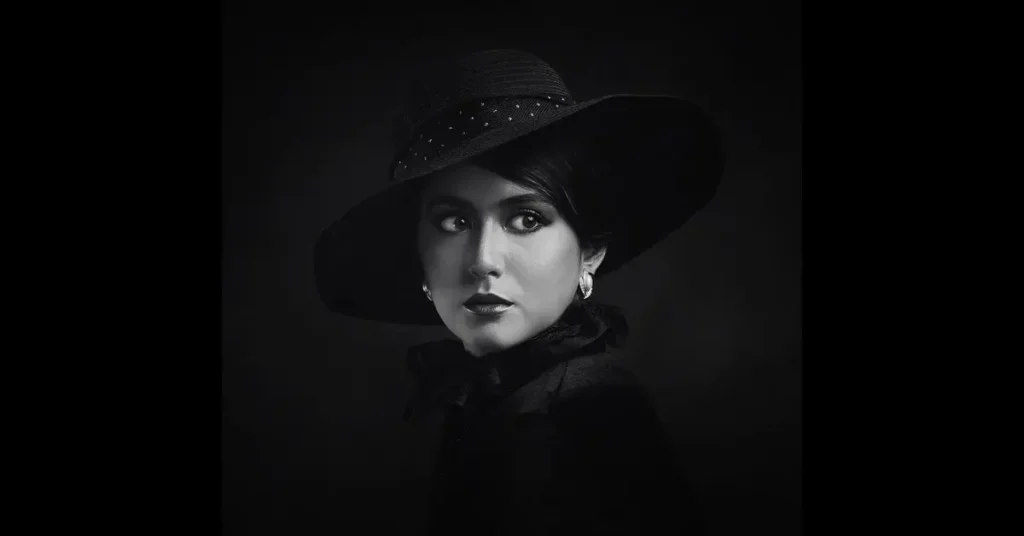
The Black Hat Fashion Trend: A Journey Through a Forgotten Style is more than just a look back at a stylish accessory — it’s a walk through time, culture, and identity. Whether you’re a fashion historian, a university student, a teacher, or simply someone interested in timeless style, this forgotten trend tells a story worth exploring. From elegance and mystery to cultural symbolism, the black hat has been a silent yet powerful part of fashion history.
The Origins of Elegance and Authority
When we talk about The Black Hat Fashion Trend: A Journey Through a Forgotten Style, we must begin in the early 19th and 20th centuries. In those eras, hats were not just accessories; they were social signals. Black hats symbolized mourning, dignity, and authority — worn by both men and women in high society. Historians and fashion teachers often refer to this period as the golden age of headwear. For students learning about style evolution, this era offers essential insights into how clothing reflected values.
Cinematic Influence and Pop Culture Power
As we follow The Black Hat Fashion Trend: A Journey Through a Forgotten Style, it’s impossible to ignore Hollywood’s role in turning this accessory into a cultural icon. Think of classic noir films — detectives, gentlemen, and mysterious heroines — all wearing sleek black hats. Characters like Indiana Jones or Audrey Hepburn in Breakfast at Tiffany’s made the black hat a powerful image of sophistication and enigma. Fashion educators often use such examples to teach how media shapes trends and perception.
Why the Trend Faded — But Never Died
While The Black Hat Fashion Trend: A Journey Through a Forgotten Style peaked during the mid-20th century, changing lifestyles and casual fashion movements pushed it out of the mainstream. Today’s minimalist trends focus more on comfort and simplicity. However, fashion experts and curious learners alike continue to study this trend to understand how and why certain styles fade but leave a legacy. Teachers often point out how fashion is a reflection of societal change — and black hats tell that story well.
Timeless Symbolism Across Genders and Generations
One of the most beautiful aspects of The Black Hat Fashion Trend: A Journey Through a Forgotten Style is how it transcended gender. It was not just a men’s accessory. Women wore wide-brimmed black hats as expressions of grace, mystery, and independence. Even today, black hats occasionally make a statement on runways and in editorials. For modern readers — from young fashion students to seasoned designers — the black hat reminds us that some styles never truly go out of fashion.
Educational Value for Students and Teachers Alike
If you’re teaching fashion history, studying for a university thesis, or preparing a lecture, The Black Hat Fashion Trend: A Journey Through a Forgotten Style offers valuable material. It shows how a simple accessory can represent cultural shifts, class, emotion, and identity. Many academic institutions use such trends as case studies, helping students learn how fashion intersects with society and storytelling.
What We Can Learn from a Forgotten Style
The Black Hat Fashion Trend: A Journey Through a Forgotten Style isn’t just about nostalgia — it’s about relevance. By understanding why certain styles rise and fall, we learn about our cultural priorities. We also get inspired to think about what fashion means beyond fabric. This is useful not only for designers and historians, but for everyday individuals trying to connect with timeless elegance.
Conclusion
The Black Hat Fashion Trend: A Journey Through a Forgotten Style reminds us that fashion is memory. While black hats may not be trending today, their history continues to inspire, educate, and influence. Whether you’re a teacher using it in a lecture, a student writing a paper, or someone rediscovering vintage fashion — this journey through a forgotten style is still shaping the present.
Why are they called black hats?
They are called black hats simply because of their color — traditionally made in solid black. Over time, black hats became associated with elegance, mystery, authority, and sometimes mourning. The phrase “black hat” also found symbolic uses in film and literature, often representing powerful or mysterious characters.
What is the origin of the black cap / hat?
The black hat has its origins in European society, particularly in the 18th and 19th centuries. It was a staple of formal dress and worn by aristocrats, clergy, and high-ranking officials. Over time, it entered mainstream fashion, appearing in both men’s and women’s wardrobes.
What is the history of the black cap?
The history of the black hat is closely tied to its symbolism. It evolved from a formal piece worn in Victorian and Edwardian times, through to mid-century pop culture and film, where it became an icon of style and character identity. Though now less common in everyday fashion, the black hat remains a significant artifact in fashion history.
Can you wear a black hat?
Yes, you absolutely can. While it’s less common today, black hats are still worn for formal events, religious services, fashion editorials, and sometimes as a bold personal style statement.
Where did the black hat go?
The black hat faded from everyday fashion in the late 20th century due to the rise of casual dressing and changing social norms. However, it still appears in fashion shows, costume design, and ceremonial use, keeping its historical charm alive.
What does a black hat symbolize?
The black hat symbolizes a mix of power, elegance, formality, and mystery. In some contexts, it represents mourning or religious authority. In film, it has been used to signify either a hero (mysterious) or a villain (shadowy figure).
What is the story of black hat?
The story of the black hat is the story of fashion itself. Once a daily accessory for both genders, it transitioned into a symbol of sophistication, culture, and even rebellion. The Black Hat Fashion Trend: A Journey Through a Forgotten Style highlights how such a simple accessory left a powerful cultural mark.
When were black top hats popular?
Black top hats became widely popular in the early 1800s and remained fashionable until the early 1900s. They were a key part of men’s formalwear and often associated with political figures, businessmen, and the elite.
Why don’t people wear top hats anymore?
With the rise of casual fashion and modern hair styling, the top hat — along with other formal hats — declined in everyday use. Today, they are mostly reserved for ceremonial or costume occasions.
What is the main goal of a black hat?
Fashion-wise, the main goal was to convey elegance and formality. Culturally, it sometimes signaled authority, grief, or even rebellion depending on the context and time period.
What is another name for a black top hat?
A black top hat may also be called a stovepipe hat, silk hat, or formal hat depending on its material and shape.
What culture wears black hats?
Various cultures have worn black hats for ceremonial, religious, or fashion purposes — from British judges and clergy to American cowboys, Hasidic Jews, and even pop stars.
What are the black hats worn by British soldiers?
These may refer to bearskin caps (worn by guards) or black military caps used historically. They’re mostly ceremonial today, but rooted in tradition and discipline.
Is it okay to wear a black hat?
Yes — today, wearing a black hat is a personal choice and can be a bold, stylish accessory in both formal and casual fashion.
What do black hats symbolize?
Black hats traditionally symbolize elegance, authority, and mystery. In different eras, they were also linked to mourning, class distinction, and religious observance. In fashion, they became a powerful aesthetic statement.
What does a black hat stand for?
In fashion history, a black hat stood for formality, sophistication, and sometimes power or secrecy. It was often worn during important social or ceremonial events, especially in Western cultures.
What is the history of the black hat?
The black hat traces its history from European aristocracy to early Hollywood glamour. Worn by both men and women, it became popular in the 19th century and evolved into a symbol of status, fashion, and identity through the 20th century.
What culture wears black hats?
Western European cultures commonly wore black hats during the Victorian and Edwardian periods. Additionally, black hats are significant in Jewish, Catholic, and even cowboy cultures, each assigning its own meaning and style.
What is the main goal of a black hat?
In fashion, the main goal of a black hat was to complete a formal outfit while symbolizing elegance or authority. It also served as a social signal — distinguishing class, occasion, or even mood.
Why did women’s hats go out of fashion?
Women’s black hats began to decline in the late 20th century due to shifting fashion trends, increased casual wear, and changing hair styles. The cultural move toward minimalism also played a role.
What year did hats go out of style?
Hats generally started to decline in everyday fashion in the 1960s, especially in the West, due to changing social attitudes, relaxed dress codes, and the youth movement favoring natural hairstyles.
What did 1930s gangsters wear?
Gangsters of the 1930s were famously stylish. They often wore black fedoras, pinstripe suits, and leather shoes — making the black hat a symbol of dominance and danger in that era.
Why don’t people wear top hats anymore?
Top hats became less practical with modern life and eventually lost popularity after the 1950s. The rise of casual fashion, cars (which made tall hats inconvenient), and modern hair culture led to their decline.
What is the difference between a top hat and a black hat?
A top hat refers specifically to a tall, flat-crowned hat, often formal. A black hat is a broader term that could include top hats, fedoras, bowlers, or berets — as long as they’re black.
Is it okay to wear a black hat?
Yes — it is absolutely okay to wear a black hat. It’s a stylish, bold fashion choice that can work in both formal and creative looks today.
What is another name for a black top hat?
A black top hat is also called a silk hat, high hat, or beaver hat, depending on its material and style.
What musician wears a black top hat?
The most iconic example is Slash from the band Guns N’ Roses. His black top hat became a part of his rockstar identity.
What is the most popular hat in the world?
The baseball cap is currently the most popular hat globally, but the black fedora and beret remain classic in fashion circles.
What is the history of the black hat dance?
This may refer to traditional dances where black hats were worn, but it’s not directly related to general fashion history. If you’d like, I can research further based on cultural origin.